

My path to Challenge Roth 2028
Eight hours and 30 minutes at Challenge Roth – this goal has been with me for many years. Now I want to find out how close I can get to achieving it.
I came to triathlon relatively late. I completed my first races at the age of 25, followed by my first long-distance triathlon at Challenge Roth in 2006. Two years later, I qualified for the Ironman Hawaii, and in 2009, I broke the nine-hour mark in Roth for the first time. My official best time is 8 hours and 47 minutes.
I am no longer just an athlete; I have been working as a licensed triathlon coach for over 20 years. During this time, I have guided numerous age-group athletes on their journey – from their first triathlon to personal bests, Hawaii qualifications, and successful long-distance races.
On my athletic journey, I devoured almost all the information I could find about triathlon and training science. In doing so, I also discovered my passion for writing. Besides numerous contributions to blogs, online portals such as tri-mag.de and triathlon.de, and specialist magazines like Triathlon Magazin, tritime, and Loox Sportmagazin, I can now look back on six book publications, several new editions, and over 40,000 copies sold.
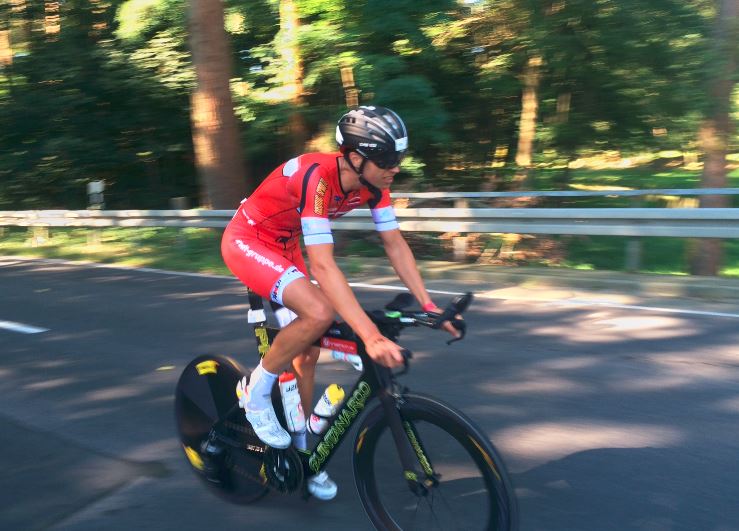
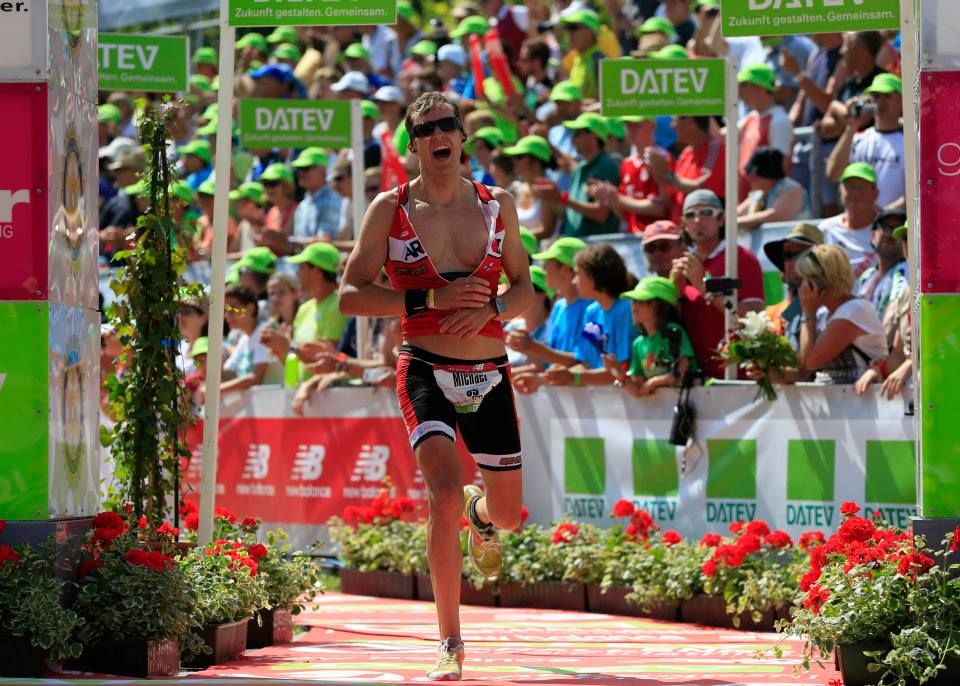
Now I will become my own training project again.
The goal is Challenge Roth 2028. Until then, I want to gradually get back to a performance level that allows for a time around 8:30 hours – in my mid-40s, with a family and children, a demanding professional life, and a limited time budget of eight to ten training hours per week. The circumstances are therefore significantly different than in my fastest years.
That is precisely what makes this project so appealing to me.
It's not about simply copying previous training or accumulating as many hours as possible. It's about discovering what else is possible with intelligent, consistent, and time-efficient training.
What level of performance can be rebuilt after years without ambitious long-distance training? How do regeneration, resilience, and training management change with increasing age? How can endurance performance, strength, health, and a normal professional and family life be combined?
The 8:30 project will therefore be much more than just competition preparation. It will become a long-term practical project on efficient training planning with a very limited time budget, performance improvement beyond previous levels, targeted nutrition and regeneration, and healthy aging in endurance sports.
My experiences as an athlete, coach, and author all come together in this work. At the heart of my work has always been one question:
How can the best possible results be achieved from the available training time of 8-10 hours per week?
Over the next two years, I will transparently follow the journey to Roth – with performance data, training sessions, progress, setbacks and the decisions behind the training plan.
Not as a theoretical concept, but as a real experiment.
The goal is set: Challenge Roth 2028 – Mission 8:30.